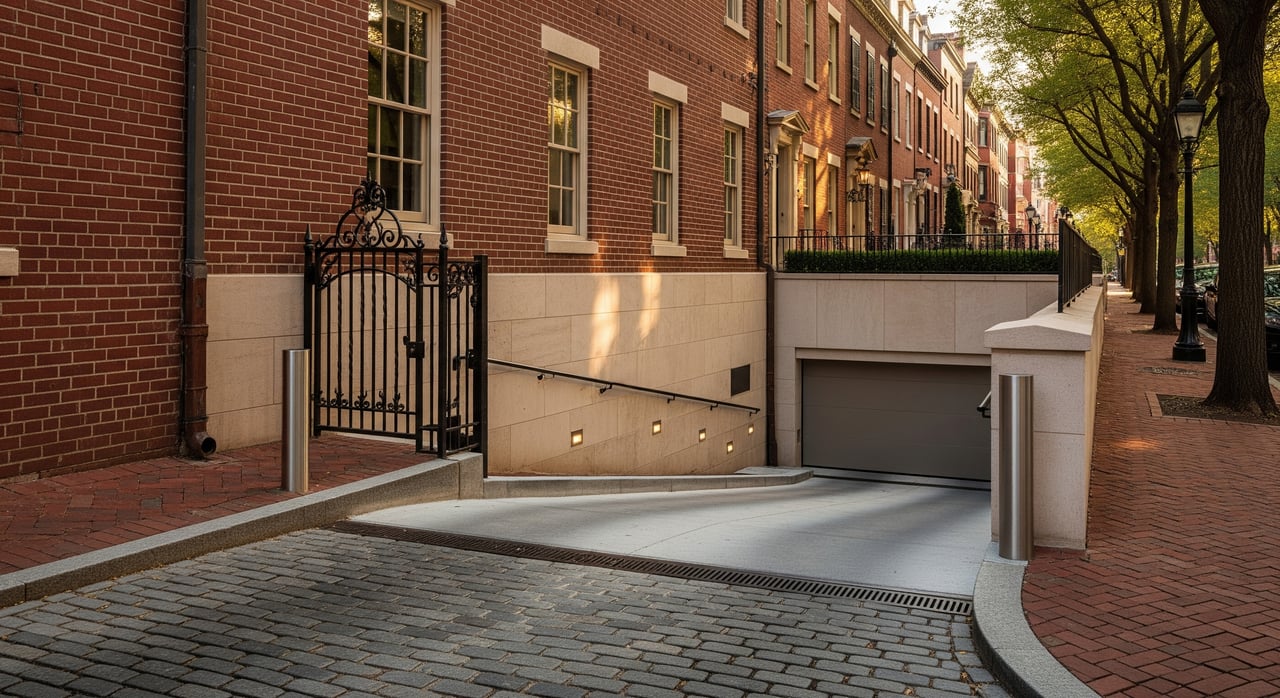
If you plan to buy a condo in Georgetown and bring a car, parking will shape your daily routine and your deal terms. The neighborhood’s charm comes with narrow streets, visitor traffic and a tight curbside supply. With the right prep, you can avoid surprises and choose a home that fits your lifestyle. This guide shows you the types of condo parking you will see, how rights are recorded, what to verify, and the practical trade-offs that affect value and resale. Let’s dive in.
Why Georgetown parking matters
Georgetown is historic, dense and highly walkable. Many buyers love the restaurants and shops, yet curbside demand is high and rules vary block by block. If you rely on a car, you need a plan that does not depend on luck.
Parking can be a value driver at purchase and at resale. Deeded or well-protected off-street parking can command a premium, while condos without parking can work for car-light or car-free living. Knowing which is which helps you price risk correctly.
Street parking reality
Curbspace in Georgetown is a patchwork of meters, short time limits, loading zones and restricted areas. Retail corridors often turn over quickly, and side streets near busy destinations can be tight. Overnight rules and street cleaning schedules add complexity.
If on-street parking matters, test it in person. Visit at different times, such as weekday evenings and weekend afternoons, and watch how enforcement works. Treat street parking as a bonus, not a guarantee.
Condo parking types
Condo buildings in Georgetown use several parking arrangements. Your rights and risks depend on how the space is defined in the legal documents.
Deeded spaces
With deeded parking, a specific space is legally part of your condo unit. It appears on the deed and the condominium plat. Deeded rights are typically strongest for exclusive use and transfer when you sell.
Limited common elements (LCE)
Some buildings designate spaces as limited common elements. An LCE gives a unit exclusive use without a separate deed. The condo declaration governs how the space attaches to the unit and how it transfers.
Assigned but not deeded
In other buildings, the board assigns spaces by policy. Assignments can be changed, reallocated or charged for under the rules. If your space is not deeded or an LCE, confirm how stable the assignment is.
Leased spaces
You may see leases for onsite or nearby garages. Terms can include monthly fees, renewal rules and waitlists. Leased parking can work well if you understand renewal risk and costs.
Valet and mechanical systems
Some garages use valet operations or mechanical stackers. These systems have height, width and weight limits that may not fit larger vehicles. Maintenance records and operating policies matter for day-to-day use.
No off-street parking
Older or smaller buildings may not have parking at all. This can suit buyers who use transit, bikes or ride-hail, but it changes your daily routine if you need a car.
What to verify in documents
The core of your parking right lives in the condo’s recorded documents. Ask for the full set and read them closely.
Declaration and plat
The condo declaration and plat show whether a space is part of the unit, an LCE or a common element. They also outline maintenance duties and transfer rules. Confirm that the space number and location match what you expect.
Deed and title
If the space is deeded, it should appear in the deed and title report. Look for any easements or encumbrances that could affect access or use. Make sure the legal description is clear.
Bylaws and rules
Bylaws and rules set assignment policies, fees, guest parking, towing and penalties. These can change over time, so review the most recent version. Meeting minutes often reveal upcoming changes.
Leases and licenses
If parking is leased, the license or lease agreement controls your use. Check the length, renewal terms, rate changes and transfer rights. Understand what happens if the third party ends the agreement.
Risks to watch
Not all parking rights are equal. Focus on the issues that can disrupt your daily life or future sale.
Reassignment risk
Assigned but non-deeded spaces can be reallocated by the HOA. If stability matters, ask under what conditions a space can be changed and how often that occurs. Put key terms in writing.
Size and clearance limits
Mechanical lifts and narrow stalls have height and width limits. Some vehicles, especially larger SUVs, may not fit or may require valet. Confirm clearances before you buy.
Flood and water exposure
Parts of Georgetown near the Potomac have flood risk. Below-grade garages can face water intrusion during storms. Ask for any flood history, sump pump details and related insurance information.
EV charging constraints
Adding EV charging usually touches common elements and needs board approval. Electrical capacity and cost allocation are common hurdles. Ask whether any owners have installed chargers and what policies apply.
Insurance and security
Garage security features like gates, lighting and cameras affect risk. Review the master insurance certificate to see how parking-related damage is handled. Meeting minutes can flag past incidents and planned upgrades.
On-site inspection checklist
Use this quick checklist during your tour and inspection.
- Verify the space number, location and orientation match the plat.
- Measure stall width and test turning radii with your vehicle, if possible.
- Check clearance heights, ramp slopes and gate operation.
- Look for lighting, cameras, signage and access controls.
- Inspect floors, drains and sump pumps for signs of water intrusion.
- Ask to see maintenance records for lifts or stackers.
Street rules and permits
Local parking rules and enforcement influence daily use and guest access. Rules can change, so confirm current details with the appropriate agencies.
Residential Parking Permit zones
Residential Parking Permit programs are managed by the District Department of Transportation. Whether your block is in an RPP zone affects where you and your guests can park. Verify current boundaries and guest options before you rely on street parking.
Meters and enforcement
Commercial corridors use pay-by-phone meters and see consistent enforcement. Fines and towing can add cost if you misread time limits. Build meter time into your routine when running errands by car.
Events and local patterns
Neighborhood events and seasonal activity can compress curbspace. The local business district often publishes visitor guidance and maps that show typical curb use. Check event calendars when you assess peak parking conditions.
Market impact and strategy
Parking influences value, liquidity and daily convenience. Think in terms of risk and flexibility.
Resale value
Deeded or well-defined exclusive-use spaces often support pricing power at resale in dense neighborhoods. Buyers with cars prioritize secure, covered parking. If you plan to sell later, parking certainty is a plus.
Alternatives and supplements
Leasing a nearby garage can bridge a gap, but it adds ongoing cost and may have waitlists. Car-share, bike-share and ride-hail can reduce car dependence for many households. Some buildings offer shared or valet solutions for peak times.
Investor considerations
For rentals, reliable parking can widen the tenant pool and stabilize pricing. If a building has no parking, target renters who value transit and walkability. Align your unit’s positioning with the likely renter mix.
Due diligence steps
A structured process helps you avoid gaps and negotiate from strength.
Documents to request
Ask the seller or HOA for:
- Condo declaration, bylaws and plat.
- Current resale package, budget and financials.
- Meeting minutes for the last 6 to 12 months.
- Title report and deed noting any deeded space or easements.
- Parking licenses or leases and guest policies.
- Master insurance certificate and any exclusions for parking areas.
- Engineering reports and reserve studies for garage elements or lifts.
Questions to ask
Use these targeted questions with the seller, board or manager:
- Is the space deeded, an LCE or assigned? Is there a separate deed?
- If assigned, under what conditions can the HOA reassign or revoke it?
- What monthly or annual parking fees apply? Any special assessments?
- Are guest spaces available and how are they enforced?
- Has the garage ever flooded or needed major repairs?
- Are mechanical lifts used? What are the clearance and weight limits?
- What are the rules and approval steps for EV charging?
- Can owners rent out spaces to non-residents or short term?
- Are any street-use changes or events expected to affect availability?
Timing tips
Observe parking patterns at multiple times and days. Test your vehicle in the space if feasible. Confirm any verbal statements in writing before you remove contingencies.
How The AiR Group helps
Parking is a detail that can define your experience long after closing. You deserve a clear picture before you commit. Our approach blends local insight with a rigorous review of condo documents, budgets and minutes so you understand the exact rights and risks tied to your space.
As your advisor, we help you:
- Identify true parking rights and stability, not just marketing language.
- Quantify flood, mechanical and reassignment risk to inform pricing.
- Negotiate for needed documents, repairs or credits tied to garage issues.
- Source alternatives if a building’s parking does not fit your vehicle or plans.
When you want a Georgetown condo that works for your life, we make the details simple and the outcome predictable. Ready to review options with an expert? Schedule a private consultation with The AiR Group.
FAQs
What is deeded parking in a Georgetown condo?
- A deeded space is legally part of your unit and appears on the deed and condo plat, which typically provides stronger exclusive-use and transfer rights.
How do RPP rules affect Georgetown condo owners?
- Residential Parking Permit zones determine where residents and guests can park on the street, so you should verify current boundaries and guest options before relying on curbside parking.
Are EV chargers allowed in DC condo garages?
- Many buildings allow EV charging with board approval, especially when work touches common elements, and owners may be responsible for installation and maintenance costs.
What should I ask about flood risk for a garage?
- Ask for any history of water intrusion, details on sump pumps or backflow prevention, insurance information and any engineering reports on remediation.
Can I rent my Georgetown condo parking space to non-residents?
- Policies vary by building, so confirm whether leases or short-term rentals of spaces are permitted and whether any fees or approvals apply.
Do mechanical lifts fit large SUVs in Georgetown condos?
- Mechanical systems have height, width and weight limits, so verify clearances and review maintenance records to ensure your vehicle is compatible before you buy.